
TLDR
Parque Centro America is Xela’s main plaza and the single best orientation point in the city. Free, open all hours, ringed by the neoclassical Municipal Palace (1885), the cathedral (1532 facade), Pasaje Enriquez arcade, Teatro Municipal and Casa de la Cultura. Go at 7am for empty benches and soft morning light, or 5pm for marimba and golden hour. Allow an hour for a perimeter walk and cathedral visit.

Insider Tip
Come to Parque Centro America on a Sunday afternoon around 4pm. Families fill the benches, marimba bands often play, and the cathedral facade catches the late sun. This is Xela at its most characteristic and Sunday is when the square feels most like itself.
Planning your stay? Check current rates at Quetzaltenango hotels, most within a 10 minute walk of Parque Centro America.
What You Actually See at the Park

Parque Centro America is a large rectangular plaza at the centre of Xela’s Zona 1. Mature trees shade long benches. A central pedestal with a statue and flag marks the middle. Paved walkways cut diagonally through the grounds with small formal gardens around them. On the eastern side, newspaper vendors, shoeshine stands and ice cream sellers cluster under the shade. To the north and west, the main civic buildings front the square.
The atmosphere changes through the day. Early morning (6am to 8am) is quiet with locals cutting through on the way to work. Midmorning to early afternoon the park stays moderate with a mix of office workers on breaks, visitors, and older men gathered on specific benches for chess and dominoes. Late afternoon (4pm to 6pm) the park fills with schoolchildren, families and the occasional busker. Evenings stay active until about 9pm with dinner crowds moving between restaurants on the surrounding streets.
During festivals (Feria Centroamericana in September, Independence Day, All Saints in November) the square becomes the focal point of city celebrations with concerts, parades, and temporary vendor markets. See our month by month guide for festival timing. INGUAT publishes updated event calendars.
The Buildings That Define the Square
The Catedral Espiritu Santo (Cathedral of the Holy Spirit) on the east side is the oldest element of the square. Its facade dates to 1532, making it one of the oldest surviving colonial structures in highland Guatemala. The facade is all that remains of the original building, the rest of the cathedral behind it was built in the 19th and 20th centuries after earthquake damage. Free entry during opening hours (6am to 7pm typically). Do not skip stepping inside, the interior feels genuinely older and heavier than the newer walls suggest.
The Municipal Palace on the north side is a neoclassical building from 1885 that houses Xela’s city administration. The facade with its columns and triangular pediment is the most photographed building on the square. Open during business hours. A short walk through the lobby shows you the civic murals and stone columns. The Casa de la Cultura on the east side houses the Museo de Historia Natural (Q10 entry, small but well kept) and hosts temporary exhibitions and talks.
Pasaje Enriquez on the west corner is a covered 19th century arcade running perpendicular to the square. Cafes, a bar (Salon Tecun), small shops and a few art spaces line the passage. Worth a walk even if you do not stop in. Two blocks east of the square, the Teatro Municipal is a neoclassical theatre from 1895 that hosts concerts and plays during Feria Centroamericana. Check current programming at the door or on Casa de la Cultura boards. For more on how these buildings fit Xela’s wider architecture, our locals guide has context.
A Short History of the Square
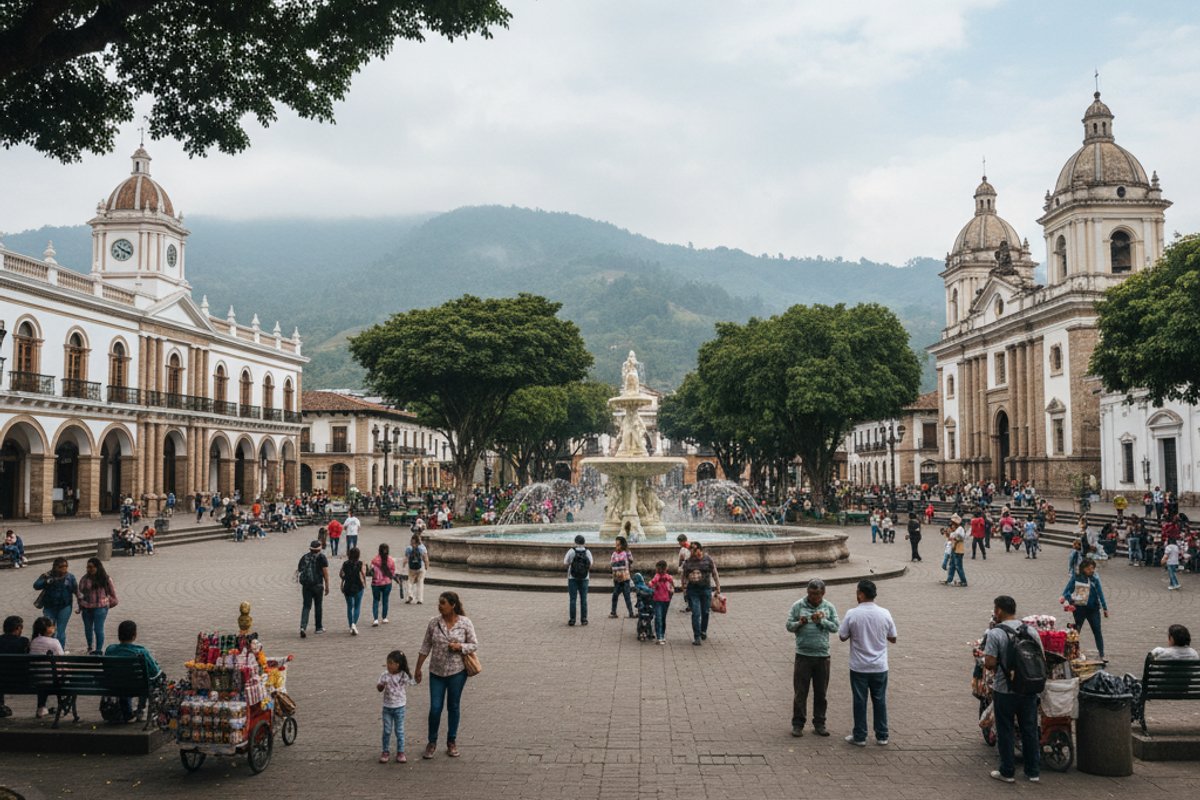

Parque Centro America has been Xela’s civic centre since the colonial period. The original Spanish plaza was laid out in the mid 1500s as part of the city grid, with the cathedral facade dating from 1532 as the oldest surviving element. The Maya name for the area was Xelaju (today shortened to Xela), meaning “under ten” referring to ten mountains or chieftains depending on the interpretation.
Most of the civic architecture on the square dates to the Liberal era expansion between 1880 and 1930 when Guatemala’s second city was a major commercial hub and intellectual centre. The Municipal Palace (1885), the cathedral extensions, and the Teatro Municipal (1895) all reflect that period’s neoclassical taste and civic ambition. The park itself was redesigned in the 1930s with the current bench layout and central pedestal.
The 1902 Santa Maria eruption and the 1976 earthquake both damaged the surrounding buildings but the square has been continuously used through all of it. Today it functions as a practical civic gathering point (markets, political speeches, concerts) as well as a visitor orientation point.
Practical Visit Tips
Coffee and breakfast. Cafe Red on the north edge opens at 7am with espresso Q22 and breakfasts Q45 to Q65. Cafe Baviera a block east is the old school option with pot coffee and traditional desayuno chapin for Q40. Inside Pasaje Enriquez, Cafe El Cuartito does a good French press for Q18 in a small atmospheric space.
Safety. The park and the blocks around it are well lit and active until 10pm. Police posts are visible at multiple corners. Walking the area during daylight is comfortable for solo travellers. After 10pm, take Uber for longer returns. Pickpocketing in crowds is the main risk, keep valuables in front pockets. See our safety guide for evening specifics.
Facilities. Public toilets exist but are minimal, use a cafe instead. No official visitor centre on the square, but Casa de la Cultura has maps and will answer questions. ATMs at Banrural and Banco Industrial on the west side of the square work with most foreign cards (Q30 to Q45 withdrawal fee). For context on the broader Zona 1 layout, our neighborhood guide covers how the park sits inside the larger zone.
You might also find these useful: Best Restaurants in Quetzaltenango, Top Attractions in Xela, Things to Do in Quetzaltenango.
“Best place to feel the rhythm of Xela. Morning coffee on the benches, marimba in the afternoon and the cathedral facade catching the late sun. Free and always open.”
“Stayed near Zona 1 around Parque Centro America and could walk to most things. Staff helped us arrange the Fuentes Georginas day trip and the Santa Maria climb.”
Check current prices at Quetzaltenango hotels
Walking distance from Parque Centro America.
Check Available RoomsWe may earn a small commission if you book through this link. It doesn’t cost you anything extra.
See Parque Centro America Quetzaltenango in Person
See Hacienda Grande Hotel for Yourself
Browse All Photos on Booking.com →
This post contains affiliate links. We may earn a commission at no extra cost to you.
Frequently Asked Questions
See Hacienda Grande Hotel for Yourself

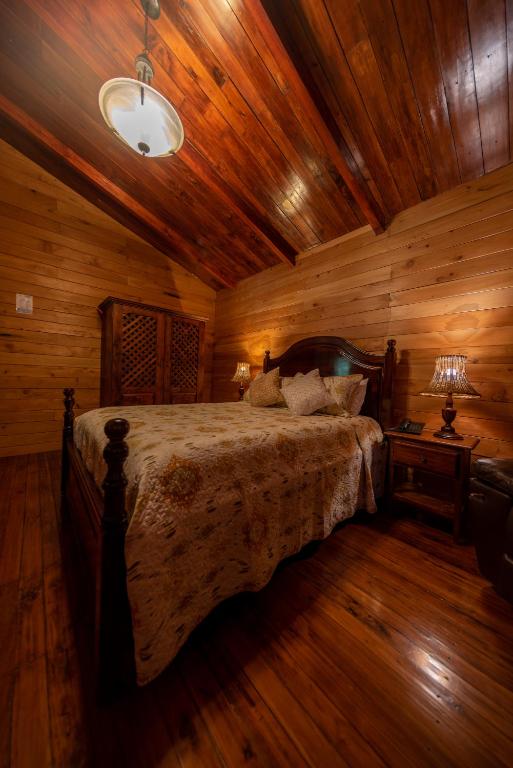
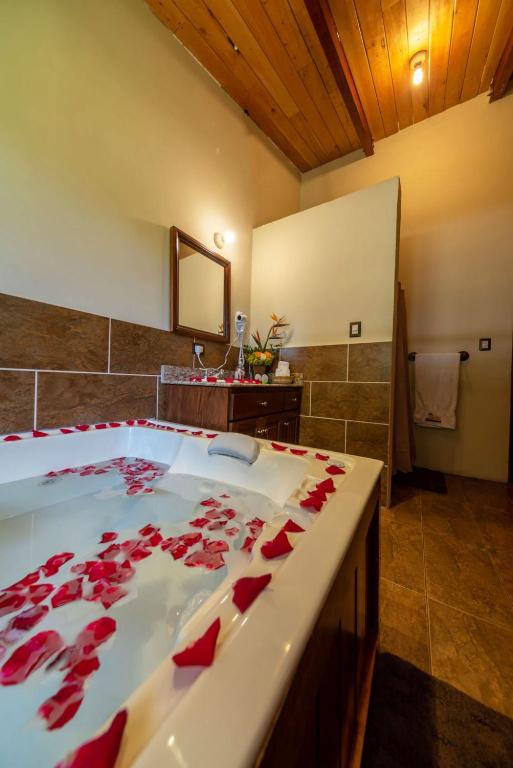
Browse All Photos on Booking.com →
This post contains affiliate links. We may earn a commission at no extra cost to you.
What is Parque Centro America?
The main plaza at the heart of Quetzaltenango, ringed by the neoclassical Municipal Palace, the cathedral with its 1532 colonial facade, the Pasaje Enriquez arcade and the Teatro Municipal. Free, open all hours, and the single best orientation point in Xela.
How much does it cost to visit Parque Centro America?
Free. The cathedral interior is free during opening hours. The Casa de la Cultura on the east side has a small museum for Q10 entry. You can spend a morning walking the perimeter and visiting the cathedral without paying anything.
When is the best time to visit Parque Centro America?
Early morning for empty benches and soft light on the cathedral facade, or late afternoon when marimba bands sometimes play and the colonial buildings catch the golden sun. Avoid midday when the square is busiest and less atmospheric.
Is there a market at Parque Centro America?
Not permanently. Occasional artisan markets set up on weekends and during festivals. The main food market is Mercado La Democracia, a 10 minute walk south. Street vendors around the park sell snacks, tostadas and ice cream year round.
What buildings surround Parque Centro America?
Municipal Palace (neoclassical, 1885), Catedral Espiritu Santo (1532 facade with a 20th century addition), Pasaje Enriquez (a covered 19th century arcade with cafes and bars), Casa de la Cultura and the Teatro Municipal two blocks east.
Can I get a coffee near Parque Centro America?
Yes. Cafe Red on the north edge, Cafe Baviera a short walk east, and several cafes inside Pasaje Enriquez. Expect to pay Q18 to Q28 for an espresso and up to Q45 for a full breakfast with coffee.
Is Parque Centro America safe at night?
Yes, the park and the blocks immediately around it are well lit and active until about 10pm. Police posts are visible. Take an Uber back to your hotel if you are more than a 10 minute walk away and it is after 10pm.
What is the history of Parque Centro America?
The square has been the civic centre of Xela since the colonial period. The cathedral facade dates to 1532 and is the oldest surviving element. Most of the surrounding civic buildings went up between 1880 and 1930 during the city’s Liberal era expansion as Guatemala’s second city.