
TLDR
Santa Maria is a hard 3,772 metre volcano climb with 1,236 metres of elevation gain over 9.3 km round trip, done as a 1am departure for sunrise on the summit. You need a reputable guided group (Quetzaltrekkers or Altitudo), Q250 to Q350 per person including transport from Zona 1. Dry season only (November to April). Proper hiking boots, warm layers, headlamp, training beforehand. The view over Santiaguito erupting at dawn is the best volcano view in Central America.

Insider Tip
Arrive in Xela two to three days before your Santa Maria date. Xela sits at 2,330 metres and even small altitude acclimatisation makes the upper 1,200 metres of the climb noticeably easier. Walking around Zona 1 and up Cerro El Baul (2,700 metres) is good pre climb conditioning.
Planning your stay? Check current rates at Quetzaltenango hotels, a comfortable base for acclimatising before the climb.
Why Santa Maria Is Worth the Effort
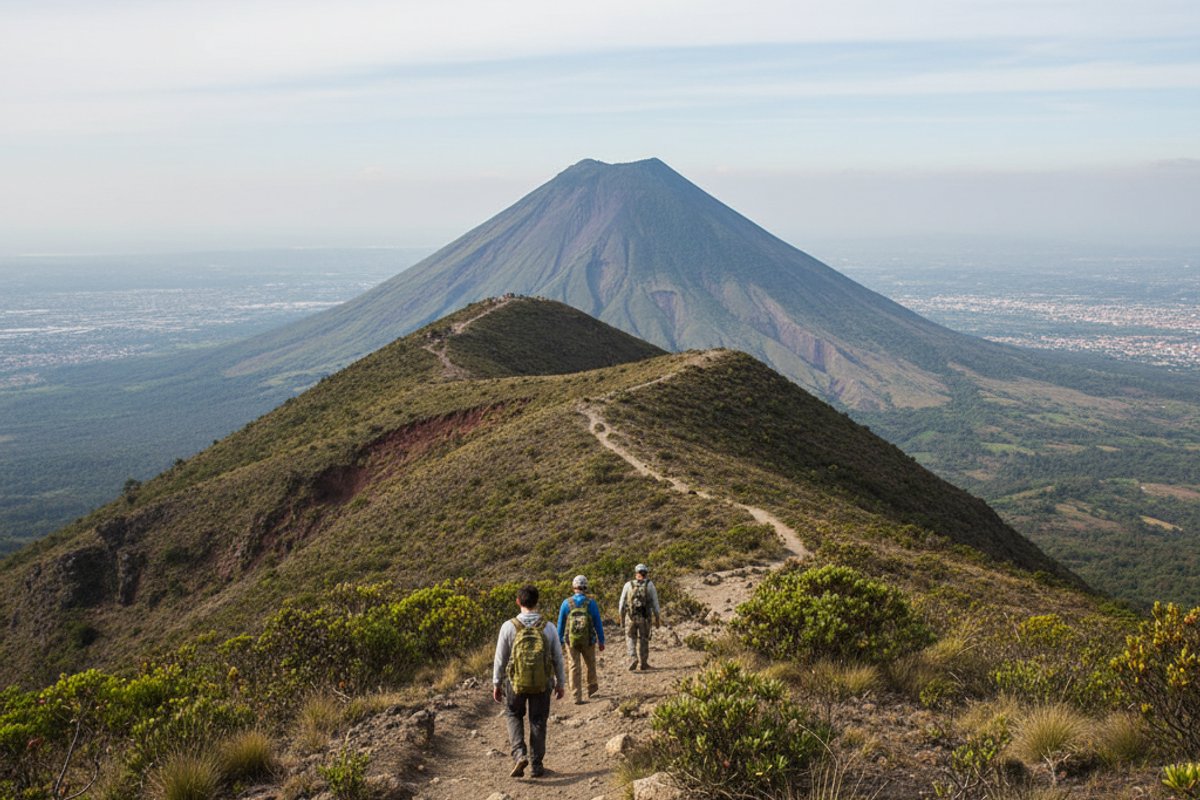
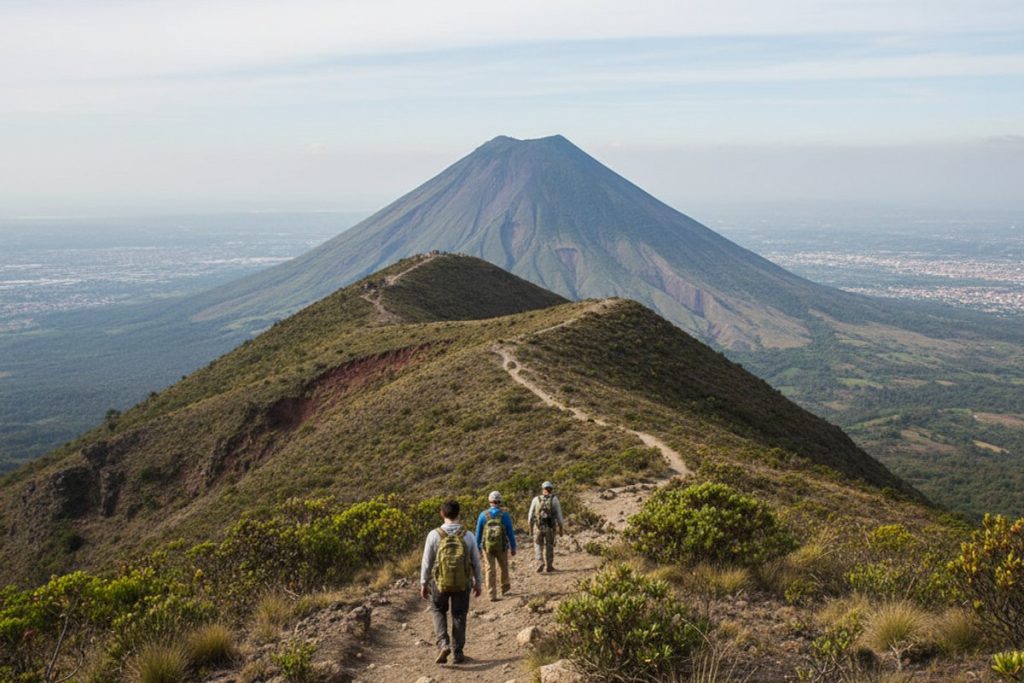
Santa Maria defines Xela’s western skyline. At 3,772 metres it is the tallest mountain visible from the city and one of the two most photographed volcanoes in Guatemala. The summit view at dawn is what makes the effort worth it. On a clear morning you can see eight volcanoes across the chain (including Tajumulco, the highest point in Central America), watch Santiaguito erupting directly below, and on exceptional days spot the lava flows from Fuego 130 km to the east.
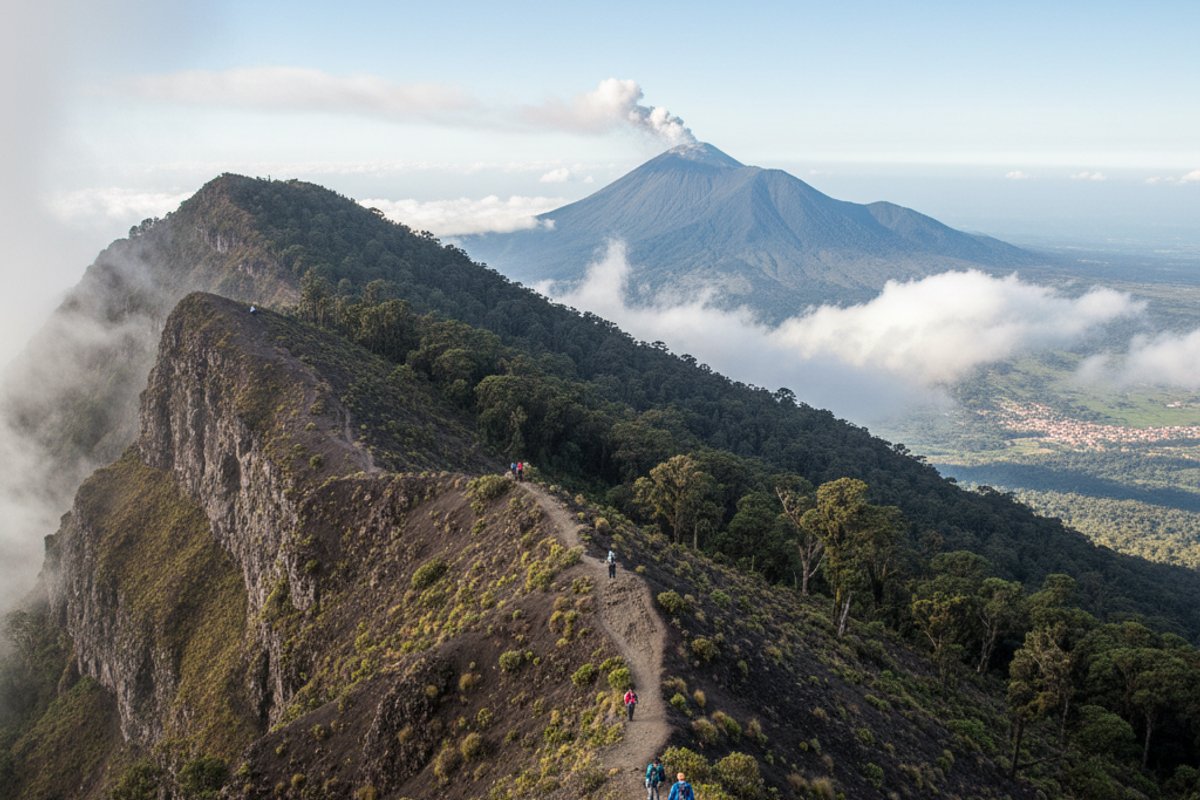
Santiaguito is the active dome complex on Santa Maria’s south flank that has been continuously erupting since 1922. From Santa Maria’s summit you look down into the crater area and watch ash plumes go up every 20 to 40 minutes. This combination of standing on a 3,772 metre peak and looking down at an active eruption below you is not available anywhere else in the Americas. For context on how Santa Maria fits the broader attractions list, see our top attractions guide.
The physical effort is serious. You do not climb Santa Maria casually. The satisfaction at the top is proportional to the 5am summit fatigue. Most climbers describe it as the hardest hike of their Central America trip and one of the most memorable.
The Route and Physical Demands
The trail starts at Llanos del Pinal, a flat farming village 25 minutes southwest of Xela at around 2,600 metres. The INAB forestry station takes an entry fee of Q20 per person and keeps a logbook. From there the trail climbs 1,236 metres over 4.7 km to the summit. The lower half is cloud forest with steady switchbacks. The upper half is exposed ridge with volcanic scree and a final loose scramble to the summit cone. Total ascent 4 to 5 hours, descent 2 to 3 hours.
Schedule. Depart Zona 1 by van at 1am. Trailhead 1:30am. Start climbing 1:45am. Reach summit 5:45am to 6am for sunrise. Stay on summit 30 to 60 minutes. Descend 6:45am to 9:30am. Back in Xela by 10:30am to 11am. Total experience 10 hours door to door. Back in bed by lunch for most climbers.
Physical demands. Sustained uphill at altitude. Summit temperatures 0 to 5 Celsius year round even in dry season. Thin air above 3,400 metres causes headaches and slower walking pace even for fit climbers. Basic cardiovascular fitness plus some hill walking training in the weeks before is enough. Experienced hikers find it hard but manageable. Completely unfit visitors should not attempt it.
Why You Need a Guided Group
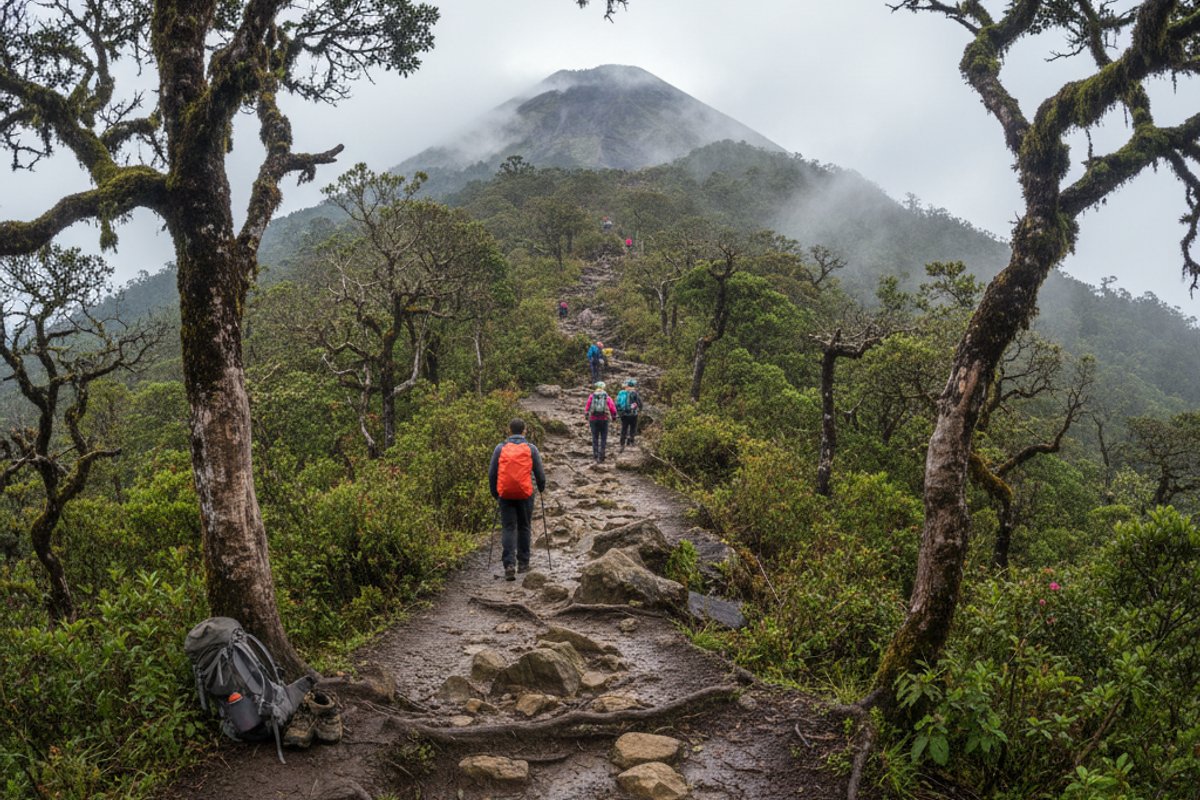
Muggings on the summit trail have happened to solo hikers and small unaccompanied groups. Reputable guided operators go in groups of 8 to 16 with local Maya porters who know the trail, the weather patterns and the safe camps. This is not a recommendation, it is a requirement. Do not attempt Santa Maria alone or in pairs no matter how experienced you are.
Quetzaltrekkers is the go to nonprofit operator. Proceeds fund education programs for street kids in Xela. Group departures 2 to 3 times per week in dry season. Q250 to Q350 per person includes transport from Zona 1, a guide, and a basic snack stop. Altitudo is the second established option with similar pricing and group size. Both brief their climbers the evening before at their Zona 1 offices. INGUAT registers guided hiking operators throughout Guatemala.
Smaller local operators exist at lower prices (Q150 to Q200) but safety, group size and guide expertise vary. Stick with Quetzaltrekkers or Altitudo for your first Santa Maria climb. Save the local operators for shorter, less exposed hikes once you have a sense of the region.
Gear, Timing and Preparation
Non negotiable gear. Proper hiking boots (not trainers, not running shoes). Warm layers including a fleece and a windproof jacket. A hat and gloves. Headlamp with fresh batteries and a spare set. 2 litres of water. High energy snacks (granola bars, chocolate, peanuts). Small backpack 20 to 30 litres. A camera or phone in a pocket, not in the main bag.
Nice to have. Trekking poles (helpful for the descent). A rain shell (afternoon storms are rare in dry season but not zero). Sunscreen and sunglasses for the descent when the sun is up. A thin base layer. Most of this gear can be borrowed or rented from Quetzaltrekkers if you did not bring it.
Season. Dry only, late October through April. Rainy season (June to September) turns the upper trail into slick mud, lightning above treeline is a real risk, and the summit view is almost always clouded in. December and January have the clearest summit views but the coldest pre dawn temperatures (summit 0 Celsius with wind chill colder). February and March are the sweet spot for most climbers.
After the Climb: Recovery and Alternatives
Plan a rest day after Santa Maria. Eat a big lunch, sleep in the afternoon, and do not schedule another day trip for 24 hours. Your quads will be sore and mild dehydration or altitude residue is common. Fuentes Georginas hot springs the day after is one of the best recoveries, warm water, cloud forest setting, and low effort. See our Fuentes Georginas guide for the details.
If Santa Maria is too much, the Santiaguito viewpoint at Llanos del Pinal is a moderate 2 hour hike that gets you to a point where you can watch Santiaguito erupt without doing the full summit climb. 6 km round trip, 400 metres of gain. Q80 to Q120 for a local guide at the village. This is the sensible alternative for visitors who want the volcano experience without the 1am start. Our day trips guide covers this option in full.
You might also find these useful: Is Quetzaltenango Safe, Best Time to Visit Quetzaltenango, Parque Centro America Guide.
“Hard hike in thin air but worth every minute. Leaving Xela at 1am and reaching the summit for sunrise with Santiaguito puffing below is once in a lifetime stuff.”
“Solid base for exploring Xela. The Galgos bus from Guatemala City dropped us at Minerva and Uber took ten minutes. Cafes open early and evenings felt safe in Zona 1.”
Check current prices at Quetzaltenango hotels
Comfortable base for acclimatising before the climb.
Check Available RoomsWe may earn a small commission if you book through this link. It doesn’t cost you anything extra.
See Hiking Volcan Santa Maria in Person
See Hacienda Grande Hotel for Yourself
Browse All Photos on Booking.com →
This post contains affiliate links. We may earn a commission at no extra cost to you.
Frequently Asked Questions
See Hacienda Grande Hotel for Yourself

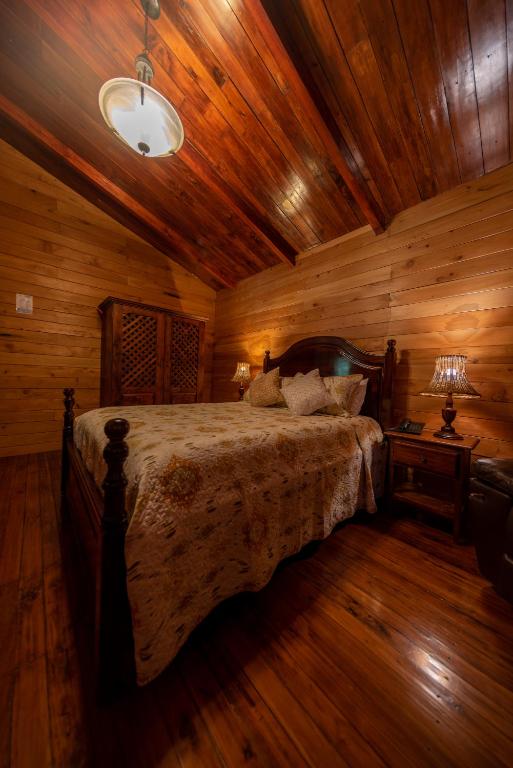
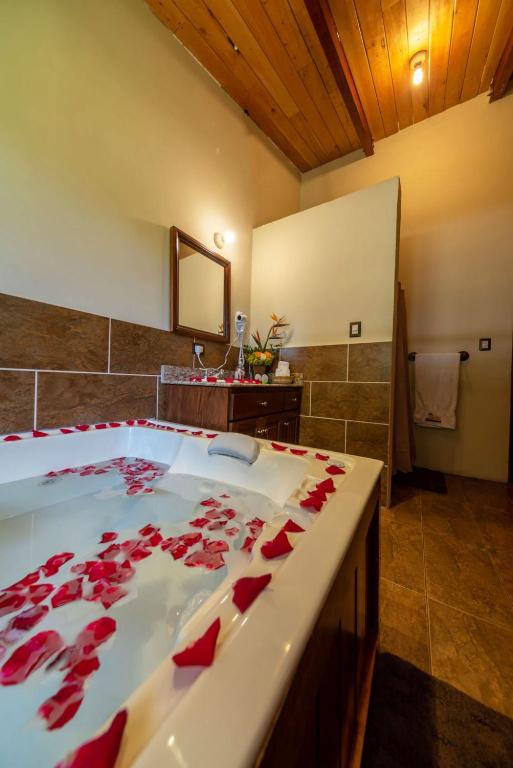
Browse All Photos on Booking.com →
This post contains affiliate links. We may earn a commission at no extra cost to you.
How hard is hiking Volcan Santa Maria?
Hard. The trail gains 1,236 metres over 9.3 km round trip, 6 to 7 hours total at altitudes between 2,500 and 3,772 metres. Thin air, steep loose scree near the summit. Beginners finish it, but not pleasantly. Train before you go.
Do I need a guide for Santa Maria?
Yes. Solo hikers have been robbed on the summit trail. Reputable guided groups (Quetzaltrekkers, Altitudo) go in groups of 8 to 16 with Maya porters and leave from Zona 1 at 1am for a dawn summit. Q250 to Q350 per person including transport.
How long does the Santa Maria hike take?
6 to 7 hours total. Depart Zona 1 at 1am by van, reach the trailhead at Llanos del Pinal around 1:30am. Ascend 4 to 5 hours in the dark, summit for sunrise at 6am, descend 2 to 3 hours. Back in Xela by 11am.
What gear do I need for Santa Maria?
Proper hiking boots (not trainers), warm layers including a windproof jacket, hat and gloves, headlamp with fresh batteries, 2 litres of water, high energy snacks and a small backpack. Summit temperature is 0 to 5 Celsius year round even in dry season.
When is the best time to hike Santa Maria?
Dry season from late October through April. Rainy season June to September turns the trail into a mudslide and lightning above treeline is a real risk. December and January have the clearest summit views but the coldest nights.
Can I see Santiaguito erupting from Santa Maria?
Yes, this is the highlight. Santiaguito is the active dome complex below Santa Maria’s south flank and erupts every 20 to 40 minutes. From the summit at sunrise you look down into the crater and watch the ash plumes go up. This is the single best volcano view in Central America.
What altitude is Santa Maria?
3,772 metres at the summit, starting from Llanos del Pinal at around 2,600 metres. The trailhead sits just outside Xela and the gain over 4.7 km one way is steady, not technical. Acclimatise by spending two or three days at Xela altitude first.
Is there a permit or fee for Santa Maria?
Entry fee at the INAB station near the trailhead is Q20 per person. Guided tour operators usually include this in the package. No permit system, just the entry fee and a signature in the logbook at the start.